MagQ doesn’t scale by consuming more energy.
It scales by wasting less.
Technology to enable a more sustainable tomorrow
Technology to enable a more sustainable tomorrow
The frontier runs on efficiency.
Technology to enable a more sustainable tomorrow
Technology to enable a more sustainable tomorrow
The next frontier doesn’t run on more hardware. It runs on better energy.
Delivered as a service, MagQ turns precise energy control into a scalable platform, reducing cost, complexity, and infrastructure overhead, so advanced computing can be used on demand, not built from scratch.

Utility-Scale Energy Storage Solution – Battery Energy Storage System
To reliably store energy on a utility level. It is designed to improve resilience, reliability, and efficiency for renewable energy storage and has demonstrated field-proven performance in various application scenarios.
01
Efficiency First
MagQ is built on the principle that performance is no longer limited by capability, but by inefficiency. Instead of consuming more power, we eliminate losses, reducing heat, cooling requirements, and unnecessary energy overhead. The result is the same or greater computational capability, delivered with significantly less energy, space, and cost.
02
Control the Energy, Not the Hardware
MagQ is built on the principle that performance is no longer limited by capability, but by inefficiency. Instead of consuming more power, we eliminate losses, reducing heat, cooling requirements, and unnecessary energy overhead. The result is the same or greater computational capability, delivered with significantly less energy, space, and cost.
03
Delivered as a Service
MagQ is built on the principle that performance is no longer limited by capability, but by inefficiency. Instead of consuming more power, we eliminate losses, reducing heat, cooling requirements, and unnecessary energy overhead. The result is the same or greater computational capability, delivered with significantly less energy, space, and cost.
Modular Design
Small Footprint
Wide Applicability
Long Life
High Safety
Modular Design
Small Footprint
Wide Applicability
Long Life
High Safety
Modular Design
Small Footprint
Wide Applicability
Long Life
High Safety
One step closer to 24/7 outage protection with Minix energy storage systems.
Large-scale energy storage solution involves the use of state-of-the-art lithium-ion battery technologies, fire suppression systems, liquid cooling units, monitoring systems, etc.
A new generation of integrated energy service system
Through distributed energy generation, energy storage, cogeneration of cold, heat and electricity, intelligent energy management and smart grid, the integrated energy service system of the park with multiple complementary functions is constructed.
ESS solutions powering a clean, efficient, and reliable energy future for the generations to come
By storing any excess renewables and smoothing out the energy output, large-scale battery energy storage systems (BESS) enable variable energy shifting and ensure power supply is available and sufficient when needed.
____
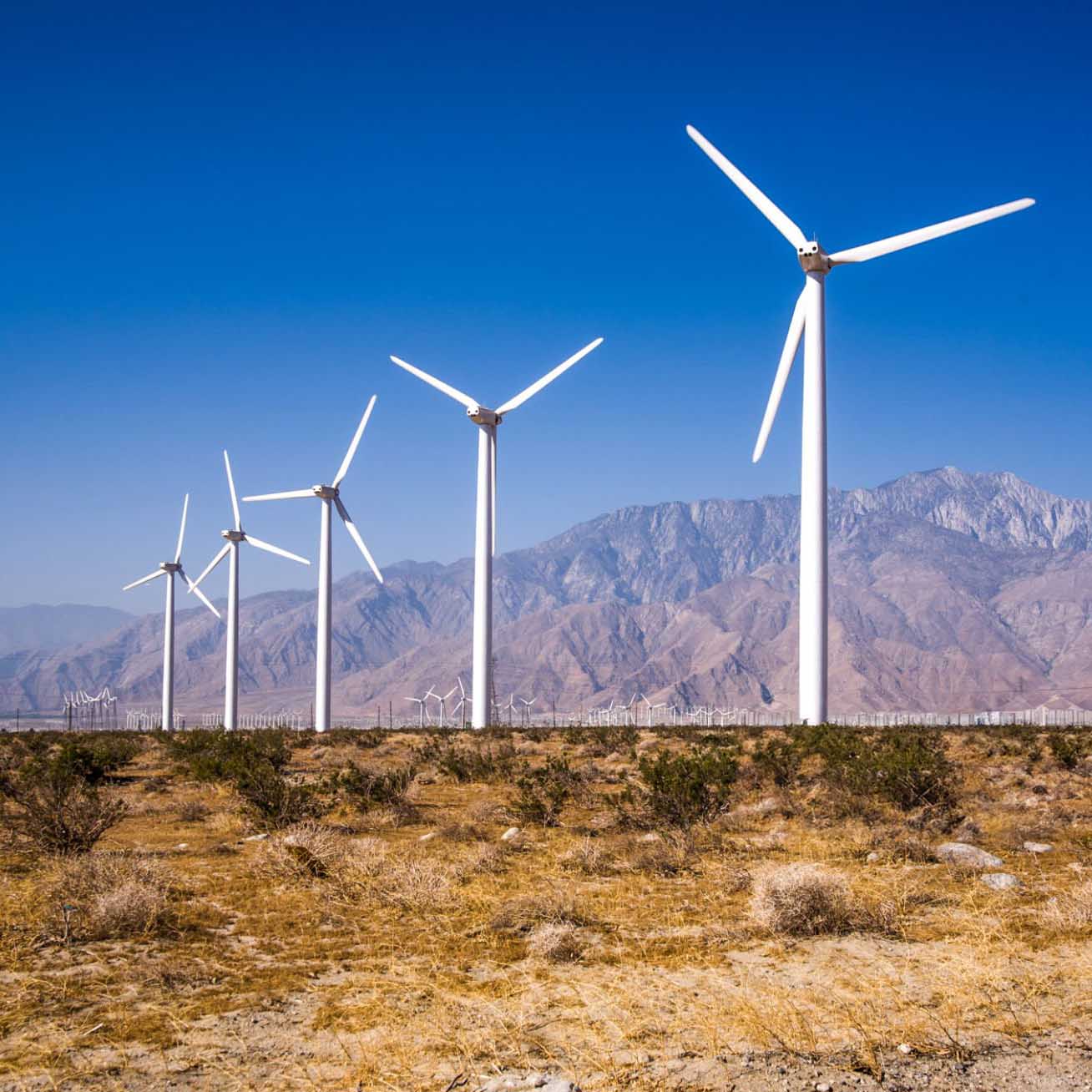
WIND POWER
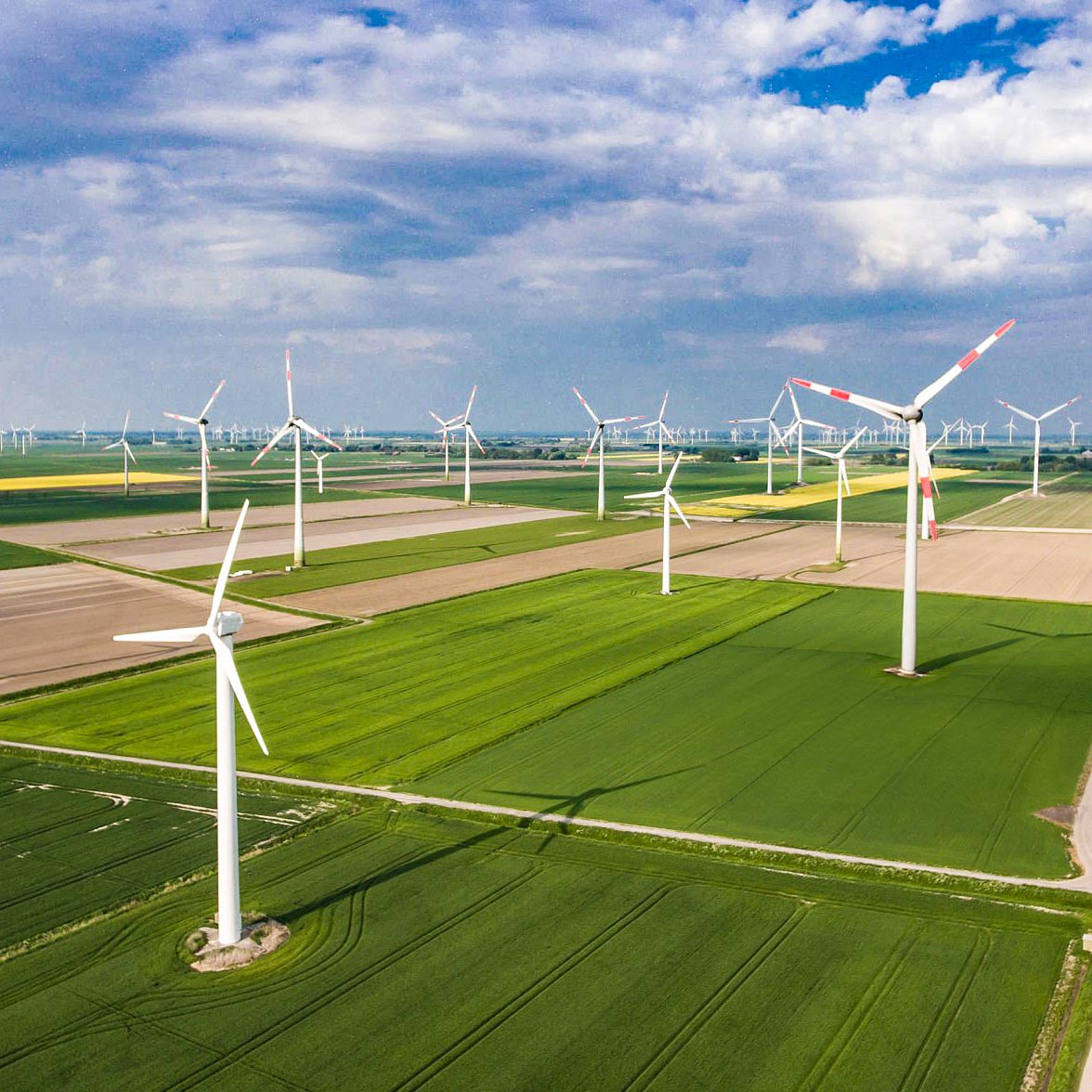
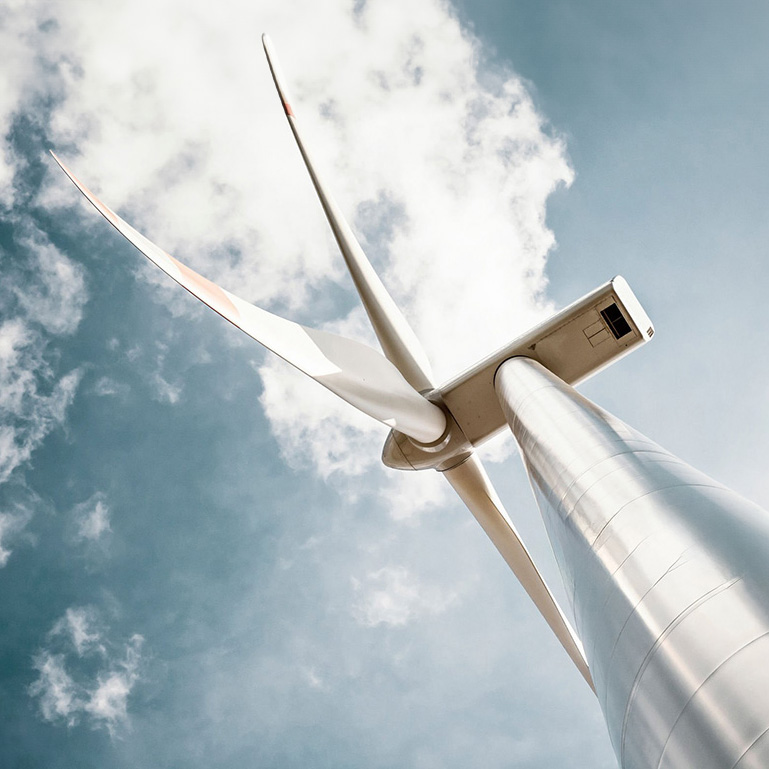
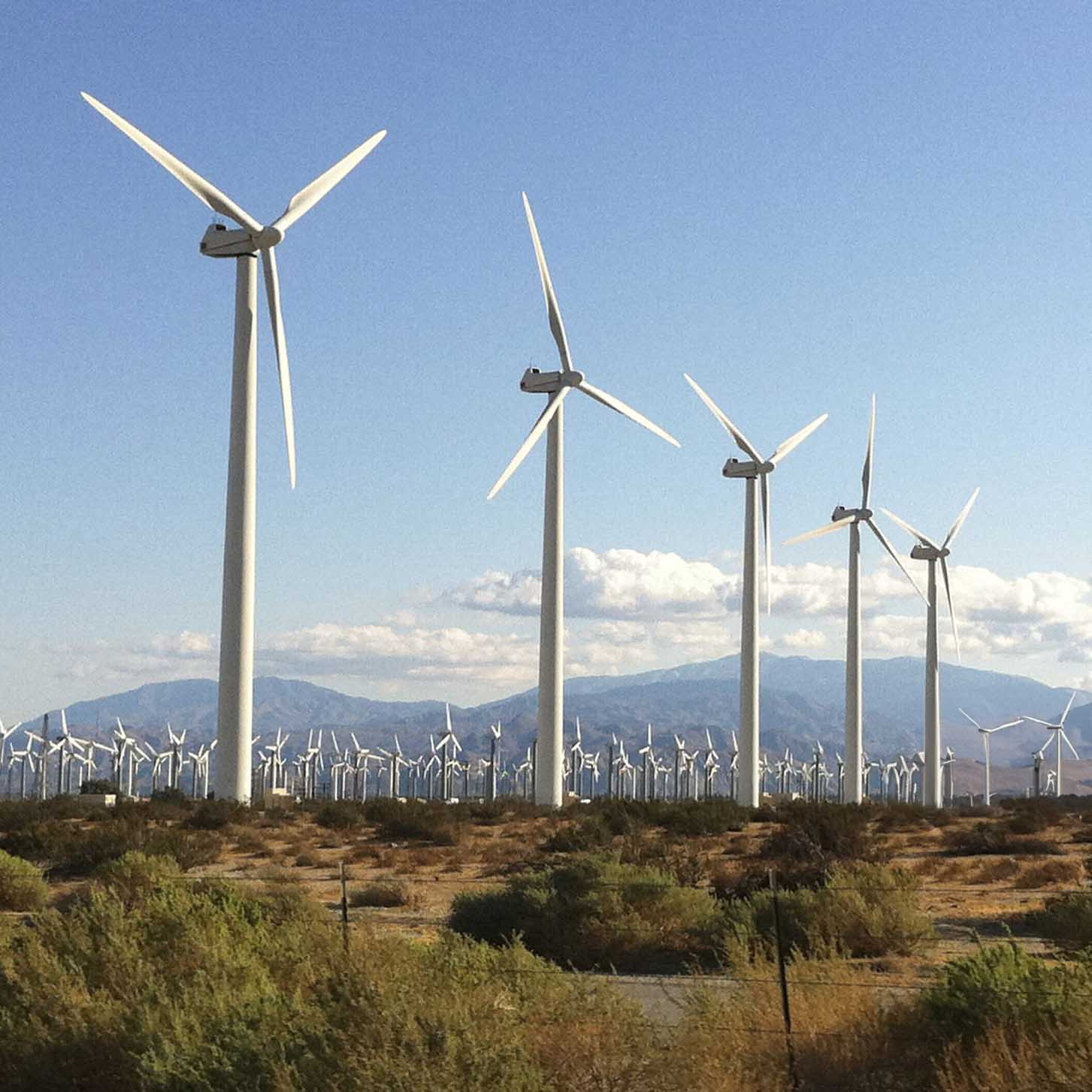
Wind energy is a renewable energy source generated by harnessing the kinetic energy of wind. This energy is converted into electricity using wind turbines, which consist of large blades mounted on a tower. As the wind blows, it causes the blades to rotate, spinning a shaft connected to a generator, thus producing electricity. Wind energy is considered environmentally friendly because it produces no greenhouse gas emissions or air pollutants during operation. It is a sustainable alternative to fossil fuels and can contribute to reducing reliance on non-renewable energy sources. Wind farms, typically located in areas with consistent and strong wind patterns such as coastal regions or open plains, are where multiple wind turbines are installed to generate significant amounts of electricity.
____
SOLAR ENERGY
Since 2000, solar energy has undergone significant expansion, laying the groundwork for its continued growth as a clean energy source. In the United States alone, nearly 6,800 megawatts (MW) of solar capacity have been installed over the past decade, sufficient to power 15 million homes.
With 253,000 employees spread across all 50 states, the solar industry has invested $143 billion in projects nationwide. These American solar initiatives contribute to the avoidance of 88 million metric tons of CO2 emissions annually, a figure equivalent to removing 19 million cars from the roads.